Travelling with horses can be stressful for everyone involved. The reality is, when travelling with your horse, nutritional management changes often occur. This can increase the risk of a variety of health issues such as colic, and gastric ulcers.
As a nutritionist, my primary focus for clients travelling with their horses is to promote consistency in any way that we can. This article will dive into the most common management oversights that I see for travelling with horses.
- Changing your horse’s forage.
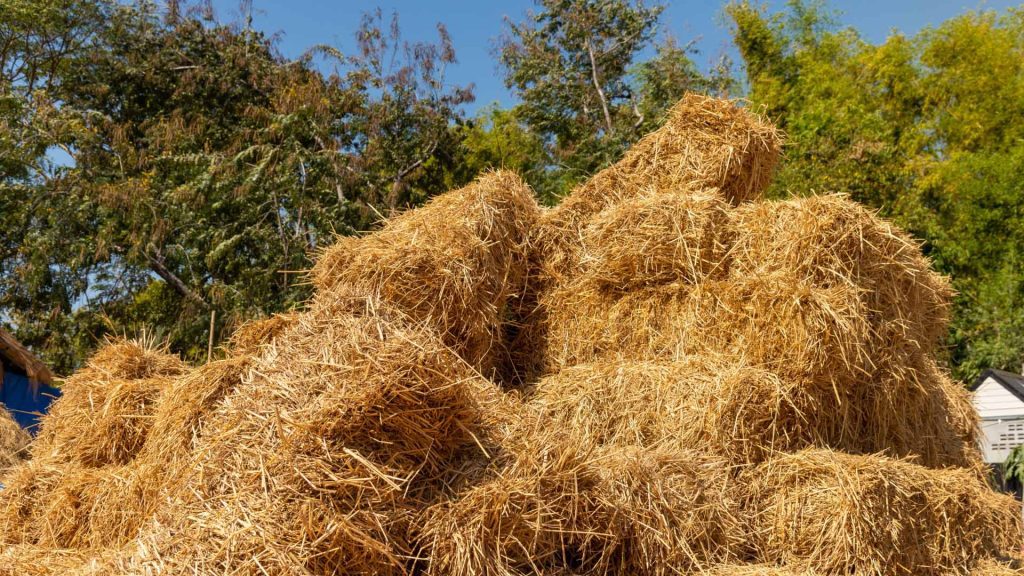
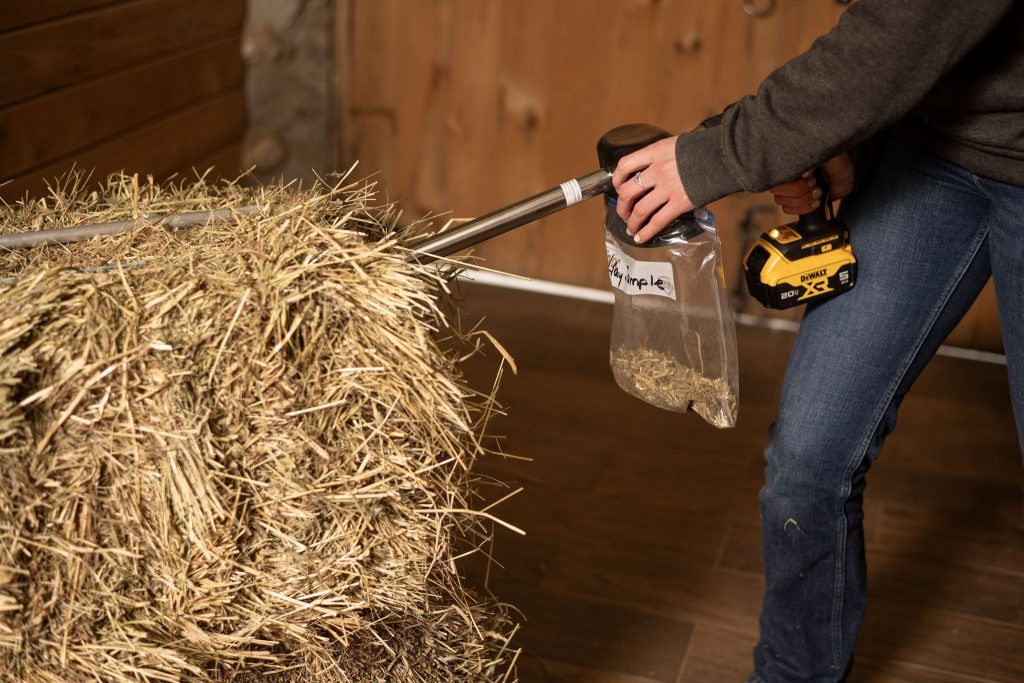
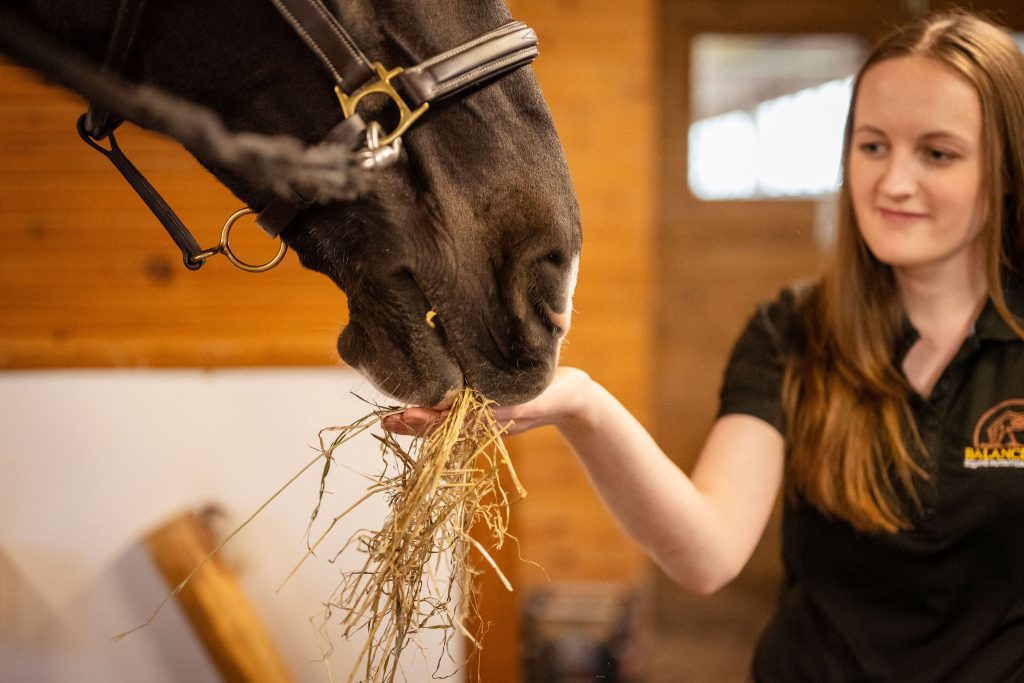
Consistency is key – having a clear plan for your horse’s forage intake should be one of your first considerations when planning to travel. This means packing as much hay as you can in your trailer.
Of course, if you are travelling for a prolonged period of time, you will have to inevitably change your horse’s hay to something available near your destination. If you are feeding a grass hay, you should only be switching to another grass hay, ideally the same species of grasses. Or if your horse’s hay is a grass/legume mix, then try to stick with that.
In addition to choosing a similar type of hay, the transition between hay types must be made slowly. If you have to add a different hay source, it is preferable to only replace a portion of your horse’s daily ration. For example, replace 30% of their daily hay ration with local hay from where you are. This way, what you have packed will last longer, and it is not as hard on your horse’s gastrointestinal (GI) tract to switch over completely to new hay, only to have to switch back within a matter of weeks.
Another option for forage consistency is to incorporate processed forages or fibre-based concentrates into your horse’s ration. This is not as ideal as maintaining consistency with long-stem hay, but it can be a tool to use when needed.
2. Unnecessary Adjustments to Concentrates and Supplements
In practice, I have had horse owners reach out to explain that they feed their horse differing rations when away (e.g., richer hay, more concentrates etc.). For example, adding a calming supplement or GI support supplement for the show/travel weekend. This is not recommended but unfortunately is somewhat common. I sometimes see these changes causing the horse to go off their feed or not finish their meals.
When building a nutrition program for your horse, ensure it can be kept consistent through periods of travel and refrain from any unnecessary changes.
3. Not having a clear plan for water intake
Beyond trying your best to keep the forage consistent, and keeping their daily concentrates and supplements consistent, you should have a plan to encourage water intake before travelling.
Horses are very sensitive to water changes, and that combined with the stress from travel frequently results in dehydration. Electrolytes and water flavouring options are numerous, but prior to travel you should already know which works for your horse.
For short term travel, bringing water from home can reduce the risk that your horse will consume less while travelling. However, research has shown that optimal electrolyte usage and water additives can further increase intake. If you’re curious about optimal electrolyte supplementation, there is a guide on the Balanced Bay website (https://balancedbaynutrition.com/resources/).
Take Home Message
As we think ahead to show season, take an afternoon to sit down and make a nutrition plan for your horse when travelling. Consider how to keep their forage consistent and refrain from any unnecessary changes. Additionally, begin trialling electrolyte and water additives well in advance of travel to see what your horse likes best!
By: Madeline Boast, MSc. Equine Nutrition, PAS