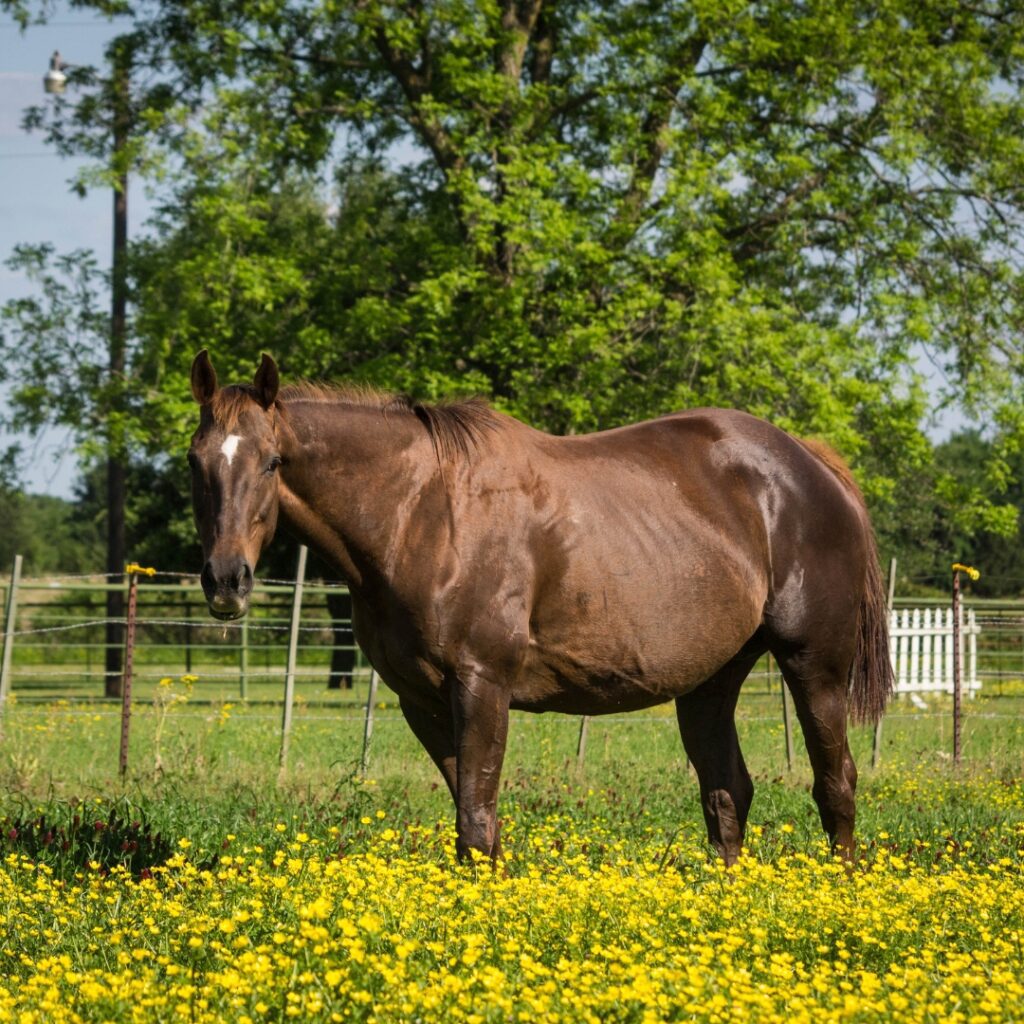
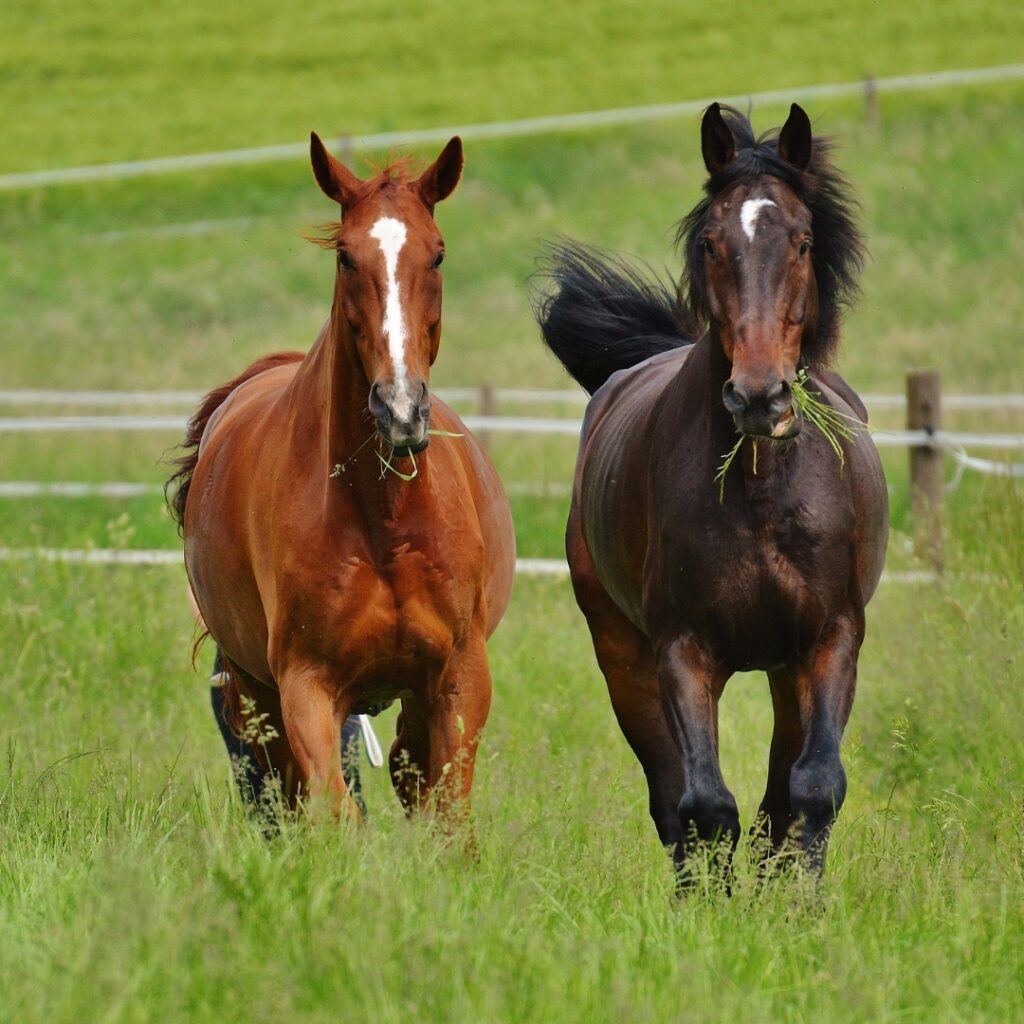
Broodmare nutrition is an important topic as nutritional requirements change throughout gestation and lactation. Most mares are bred in the spring here in Ontario; however, it is recommended that a mare is on a balanced diet to support her in achieving an optimal body condition prior to breeding. When I receive inquiries in the spring […]
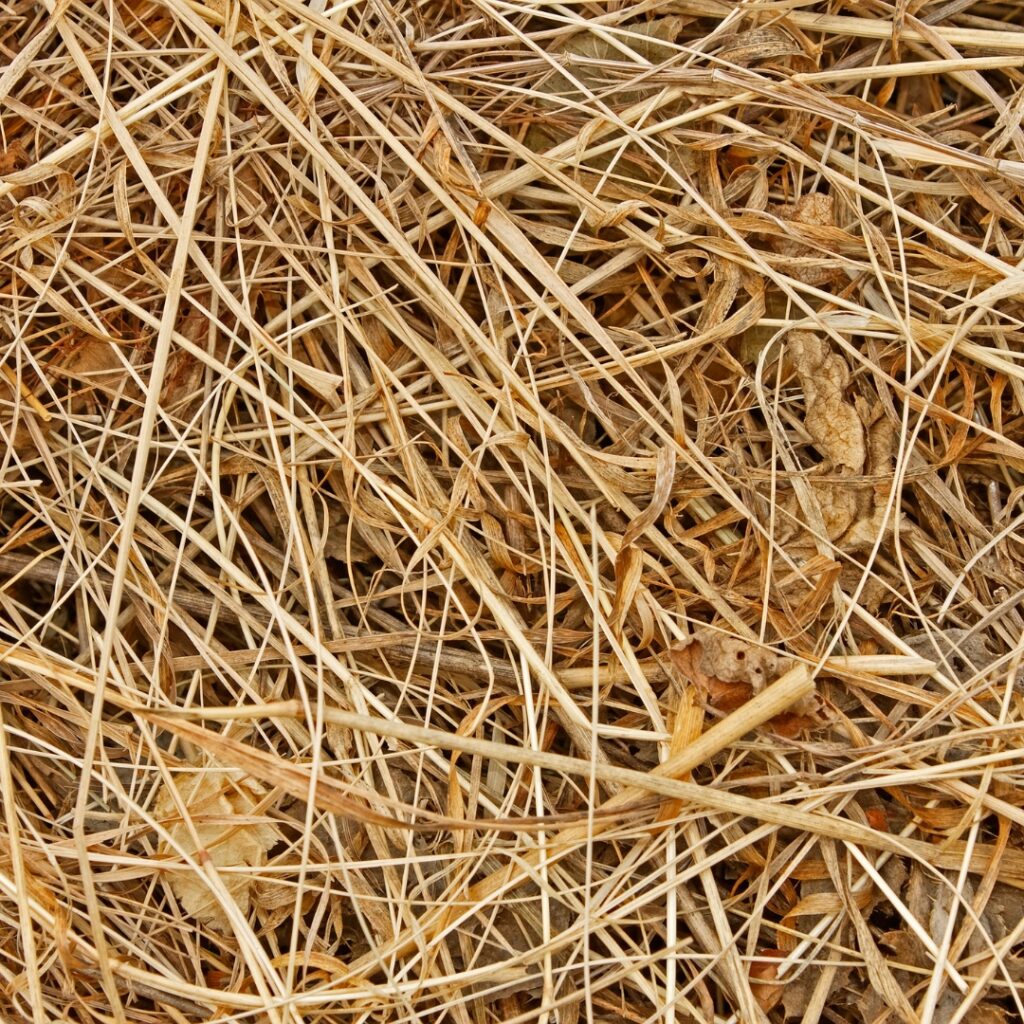
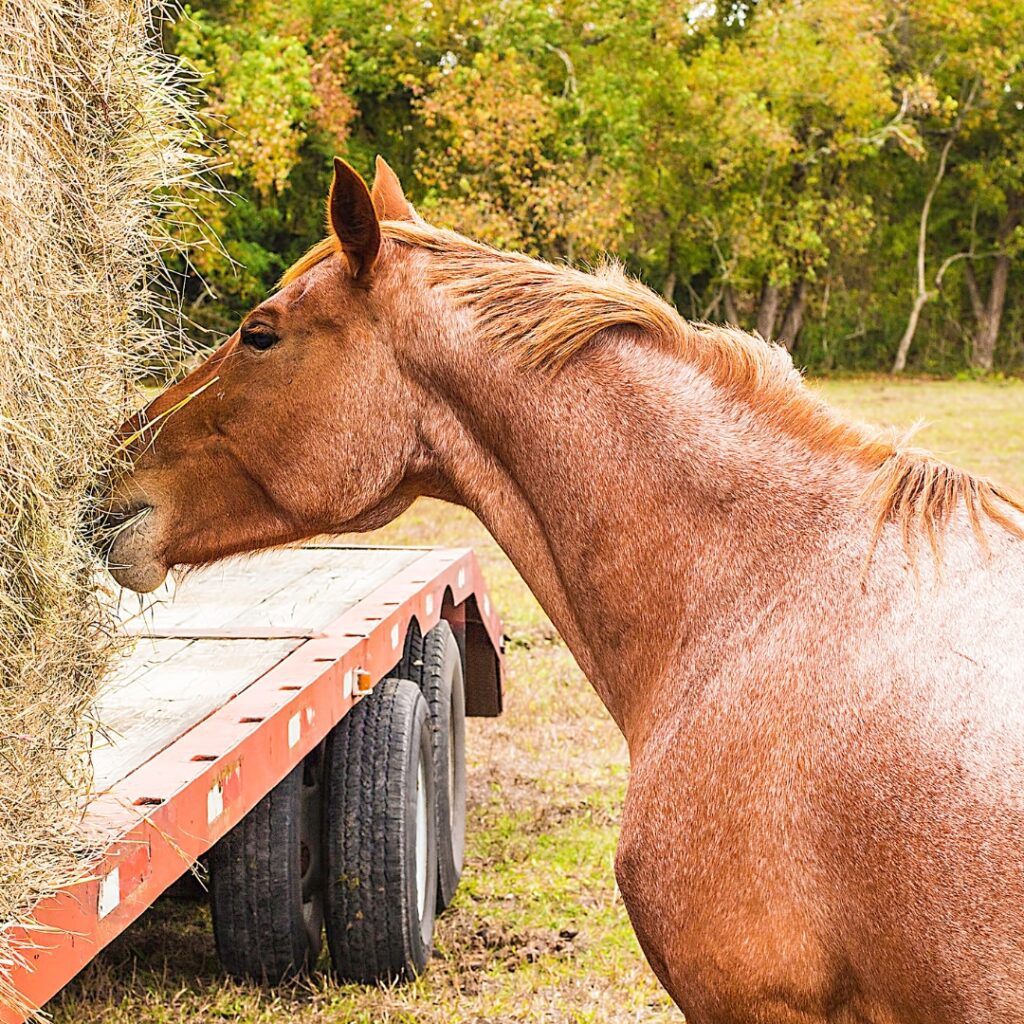
Forage analysis is a crucial first step when formulating every balanced diet at Balanced Bay. Hay is typically the most prevalent portion of a horse’s diet; therefore, it only makes sense that we know its nutritional value. Taking a sample of the hay and sending it for laboratory analysis is the only way to determine the precise […]
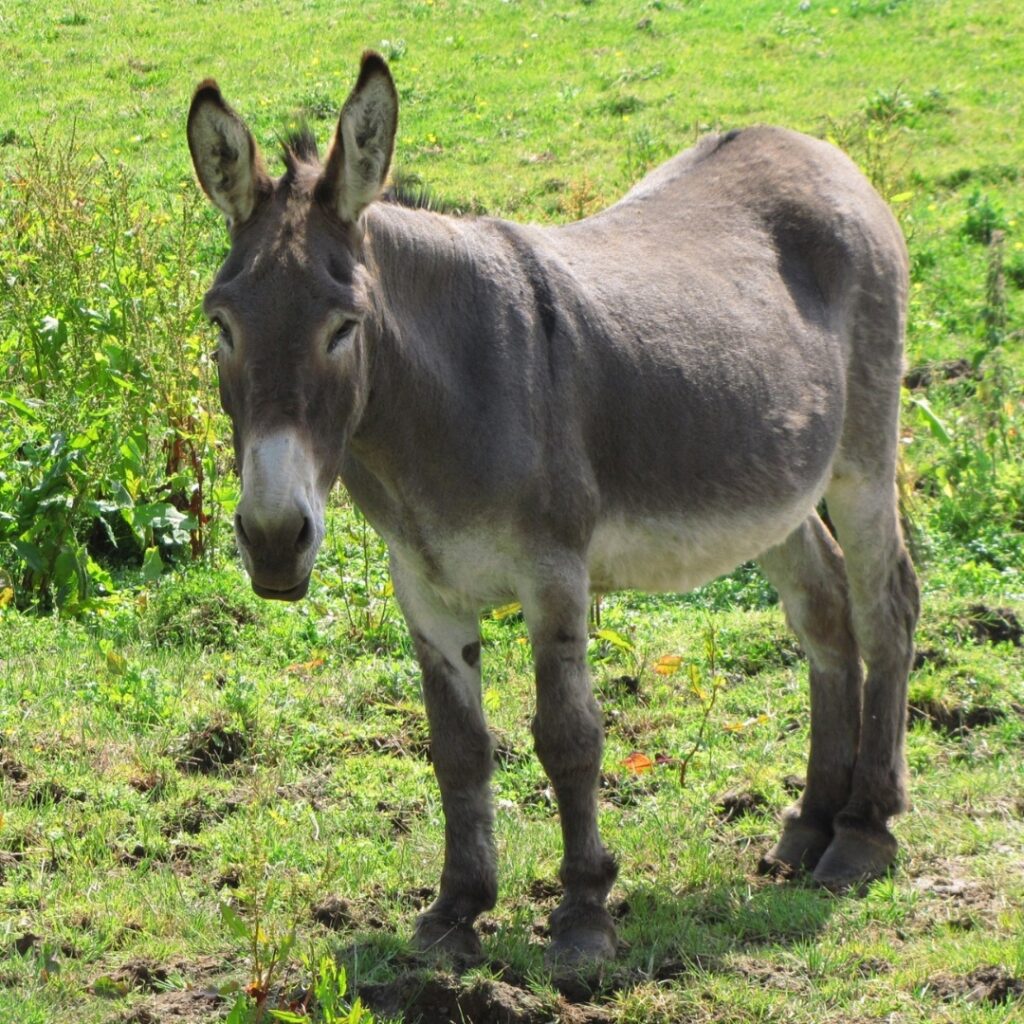
Believe it or not, as an independent equine nutritionist, I have a lot of donkey clients too!! Oftentimes these guys may get overlooked when it comes to nutrition, but they need balanced diets too. Most of the donkeys I see are extremely overweight due to being fed in a similar fashion to horses. Even though […]
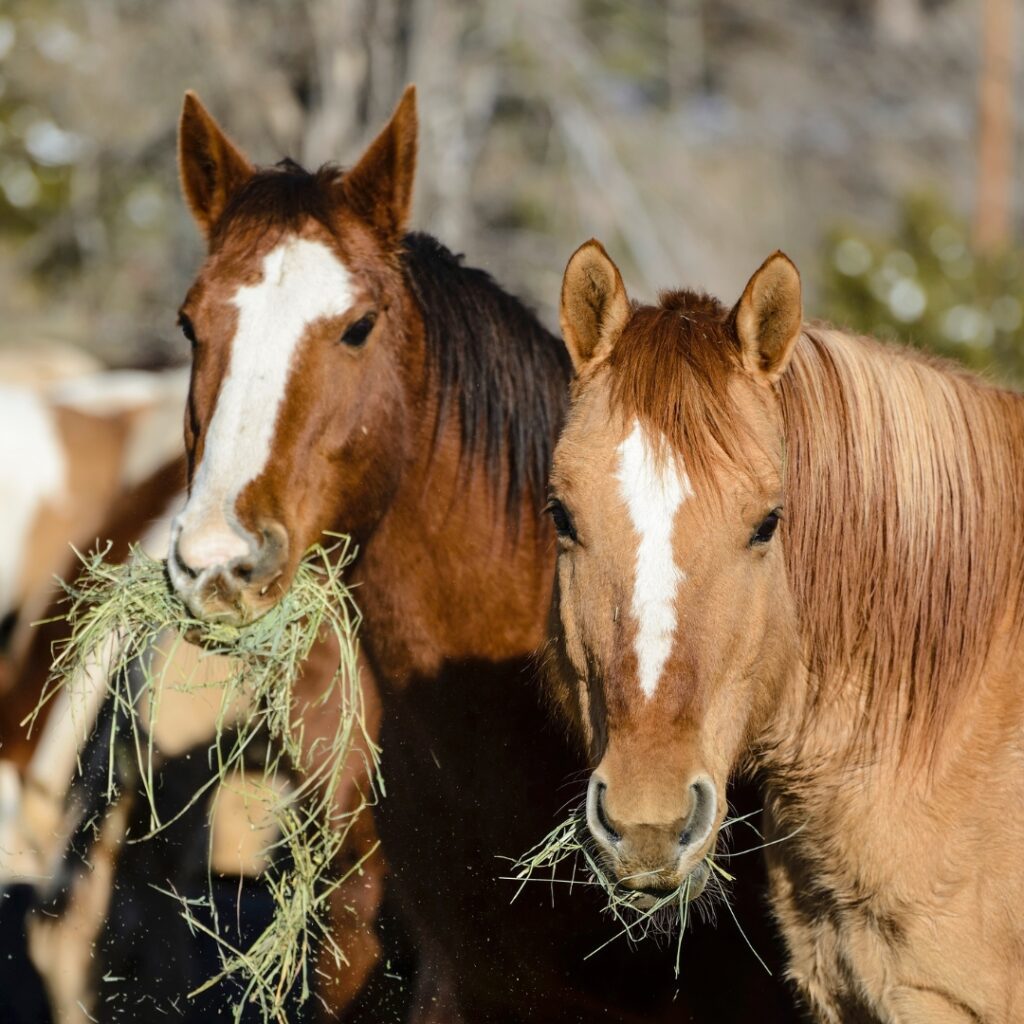
Horses have an interesting digestive tract; they have a large hindgut where fermentation takes place. They rely heavily on this process for optimal digestion as well as energy production. Compared to other animals, horses have a lower enzyme activity at the beginning of their digestive tract. This simple difference indicates that horses are not meant […]
This season has been a tough one for metabolic horses. In my practice, I have had an influx of new clients with laminitic horses and ponies. Through my own hay sampling and chatting with other nutritionists it is consensus that this year has had on average higher sugar content in the forage. Sugar content in […]
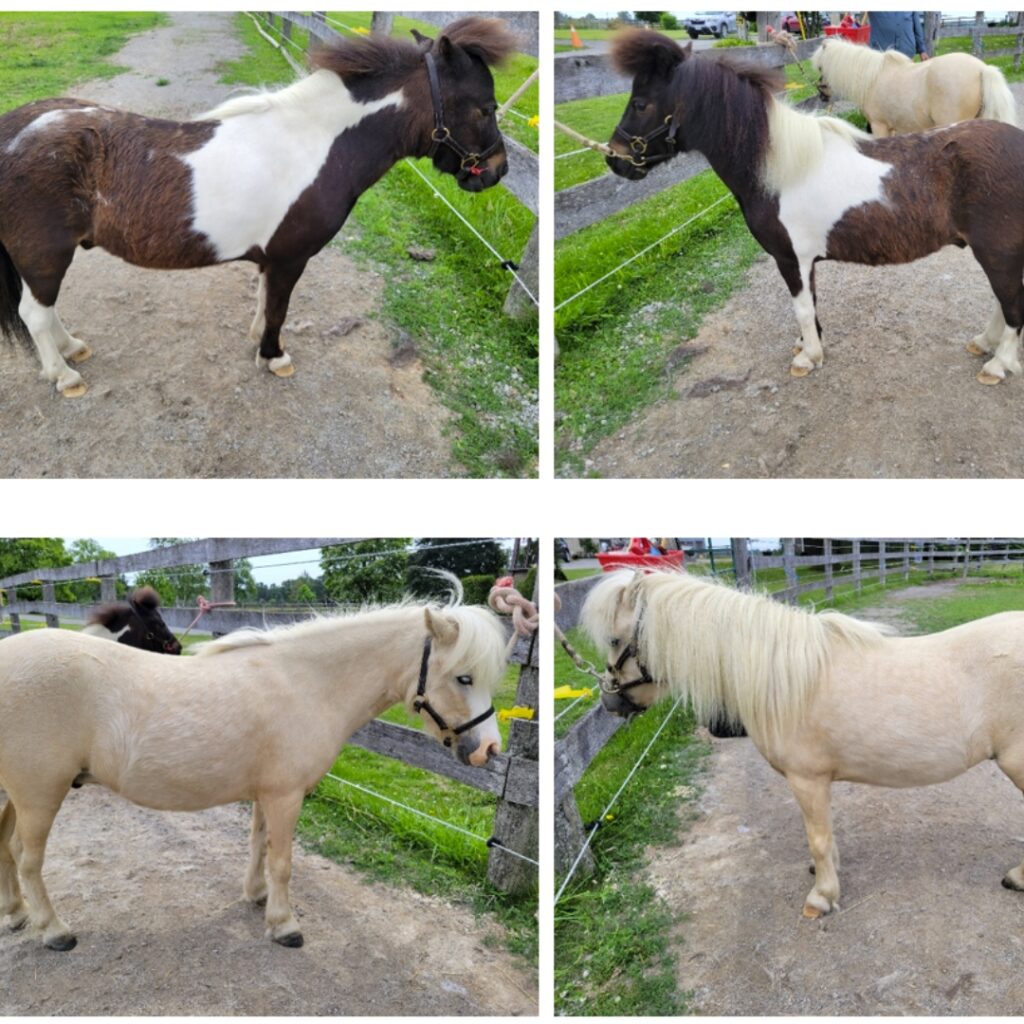
This week’s Friday with Finn blog post will focus on a case study. As many of you who follow Balanced Bay are aware, I work with a lot of easy keepers. This case study follows two ponies: Romeo and Chou-Chou. Equine obesity is a prevalent issue that can be very difficult to manage. I have […]
Part of the reason I wanted to work in equine nutrition was my keen interest in equine metabolic syndrome (EMS). Through some of the educational content creation that I do I have the absolute honour and pleasure to talk about these topics with world-leading experts in the field. Recently I met with Dr. Andy Durham […]
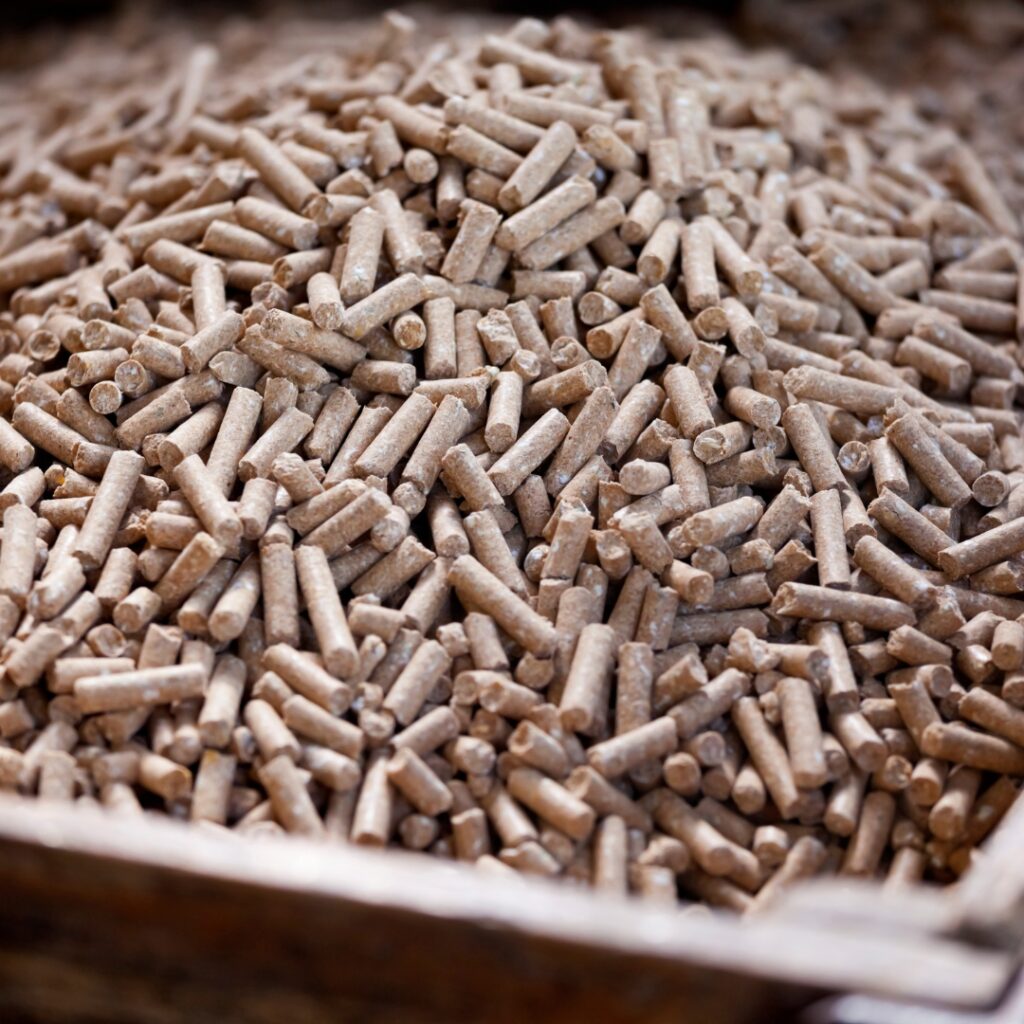
What is a ration balancer? It is well known that a horse consuming just hay or pasture will almost always be missing some key vitamins and minerals in their diet. A ration balancer is a concentrated source of the necessary vitamins and minerals that a horse requires. These feeds are typically low in caloric value […]
As we enter into the warmer months here in Ontario, many horse owners will begin to use electrolyte supplementation products for their horse. This blog post is going to provide a brief overview of electrolyte supplementation and what recent research is telling us! Electrolytes Electrolytes are involved in many physiological processes. They play a role […]
Most horse owners know that feed changes should be made slowly, and do implement this well. However, I often come across people switching forage sources abruptly. This article is going to delve into the science behind why feed changes should be made slowly and highlight the importance of gradual changes not just for pelleted feeds […]